Fit and capacity
We list systems by the number of planting sites, ranging from 8 pod kits for small kitchens to 60 pod towers for high-volume harvesting.
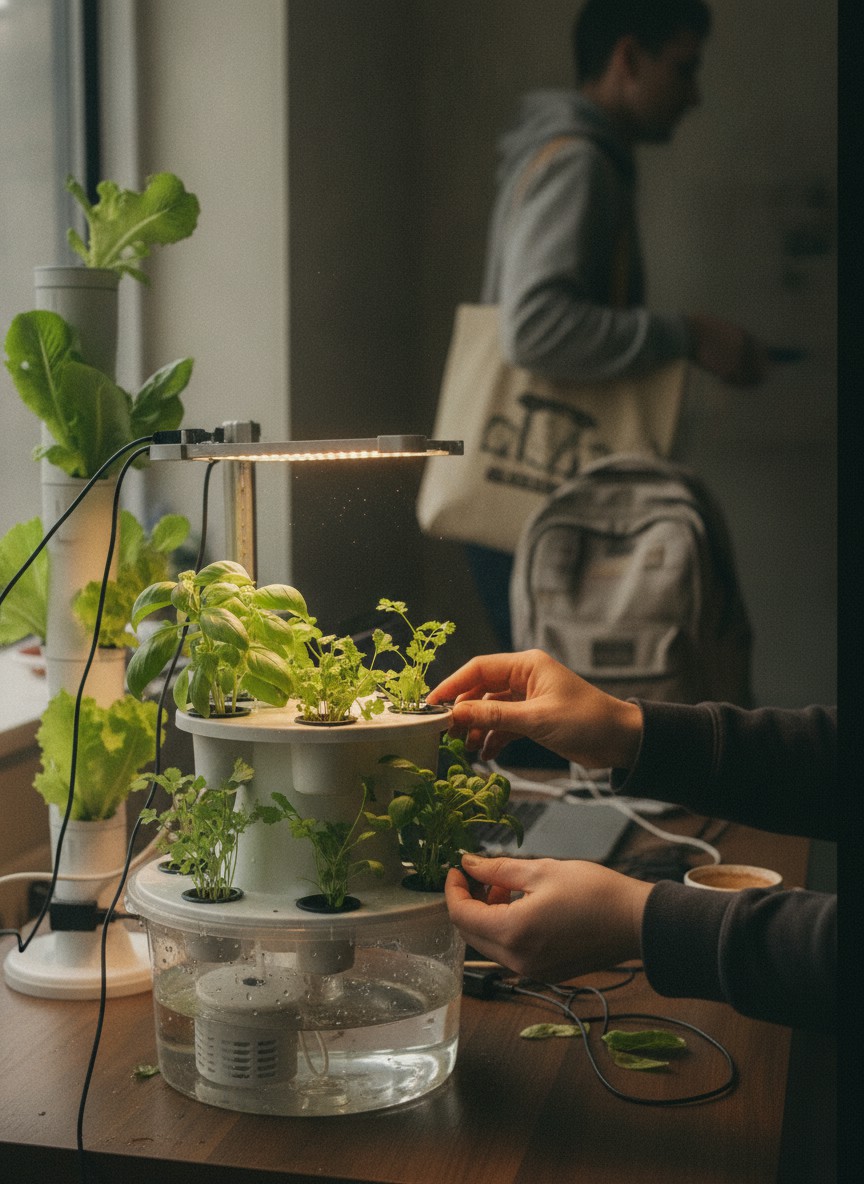
Selecting the right gear depends on your available space and the types of plants you intend to harvest.
We group equipment based on how it functions and what it grows. This set focuses on practical specs like pod counts, light height, and pump noise levels.
We list systems by the number of planting sites, ranging from 8 pod kits for small kitchens to 60 pod towers for high-volume harvesting.
These listings highlight integrated LED grow lights, adjustable heights, and automatic timers for light and water cycles.
The catalog includes specific consumables like rockwool cubes, grow sponges, and pH adjustment kits to keep systems running.
LED grow lights are built into most modern kits. Look for height-adjustable arms to keep the light close to seedlings without burning the leaves as they grow taller.
Quiet pumps are important for indoor use. Systems with automatic timers manage the oxygen levels in the water so you do not have to cycle the pump manually.
Instead of soil, these systems use rockwool cubes, leca clay pebbles, or bio-carbon sponges. These materials hold the plant in place while letting roots reach the water.
Open a set, then two brand pages, and compare the listings
Keep a constant supply of culinary herbs like basil and mint right on your windowsill
Grow leafy greens, lettuce, and peppers year-round without soil
Integrated full-spectrum lighting ensures your plants thrive even in windowless rooms
Essential components for oxygenating water and circulating nutrients through your system
Maximize your growing space with multi-tier vertical systems designed for high-density indoor farming
The lower-priced listings in this catalog
Specialized setups designed to support fruiting plants like strawberries and cherry tomatoes
Brighten your indoor space with hydroponically grown decorative blooms
Set-and-forget light and pump cycles that mimic natural growing conditions
Liquid and powder fertilizers formulated specifically for water-based growing
Slotted mesh cups that allow roots to grow through while holding your plants secure
Grow large plants with roots submerged in highly oxygenated nutrient solutions using bucket-based reservoirs