 9.4
Hydroponics / Leca clay pebbles
This range
Clay Pebbles Hydroponics
Data updated 2026-10-30
Expanded clay pellets that offer stable support and drainage for DWC and tower systems 60 systems · 42 brands
Systems for fresh herbs
Systems for vegetables
Systems with LED grow lights
Water and air pumps
Affordable
Systems for flowers
Systems for fruits
Vertical hydroponic towers
Automatic timer systems
Hydroponic plant food
Hydroponic net pots and baskets
Leca clay pebbles
Black hydroponic systems
Height adjustable grow lights
White hydroponic systems
12 pod hydroponic systems
Kits for beginners
Replacement grow sponges
Deep water culture systems
Rockwool grow cubes
30 pod hydroponic systems
Systems with quiet pumps
PH adjustment and testing kits
15 pod hydroponic systems
Green
WiFi and app controlled systems
Blue
Gardening gifts for women
8 pod hydroponic systems
Grey hydroponic systems
60 pod hydroponic systems
Gray
Propagation and cloning kits
Fits 16 inch
Aeroponic growing systems
Gardening gifts for men
Brown
Best Clay Pebbles Hydroponics
9.4
 9.4
 9.4
 9.4
 9.4
 9.4
 9.4
 9.4
 9.4
 9.4
 9.4
 9.4
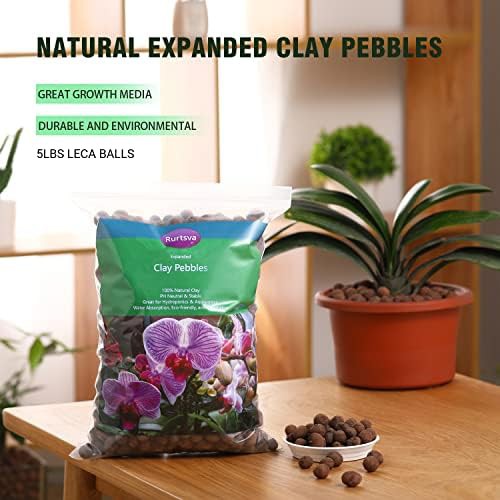
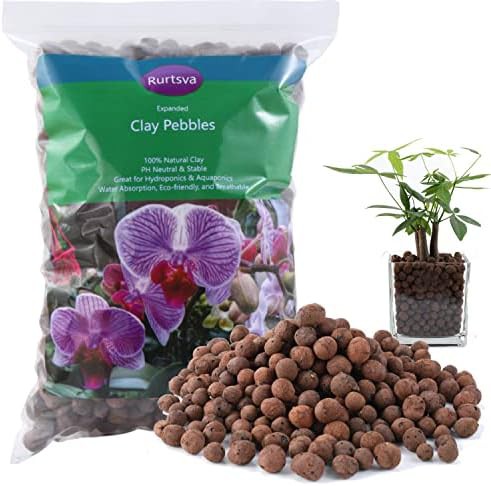
LingshouxianJiechengkuangchanpinjiagongchang Lingshouxian chunyan Kuangchanpin Jia
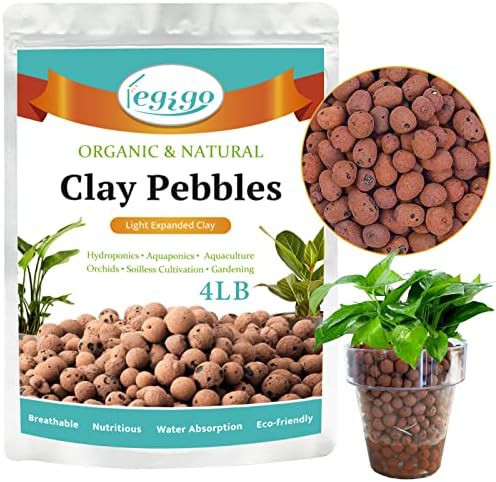
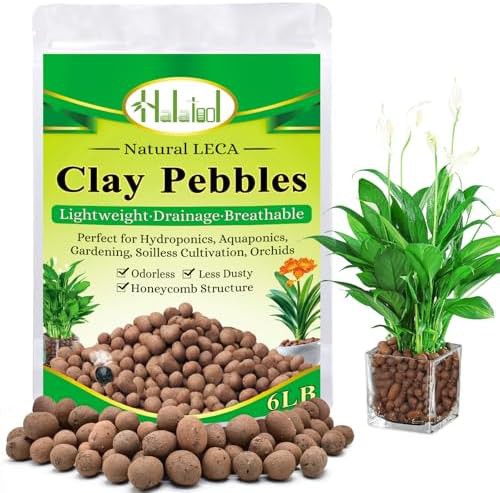
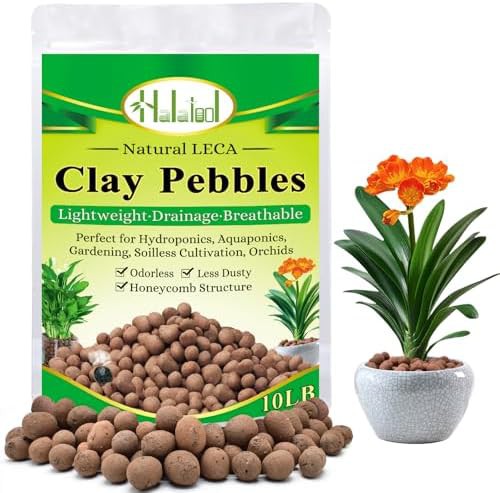
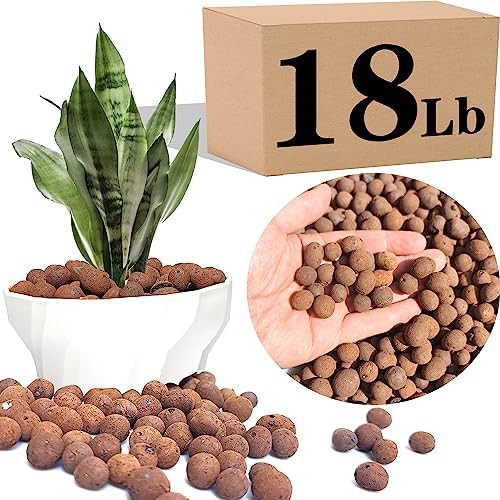
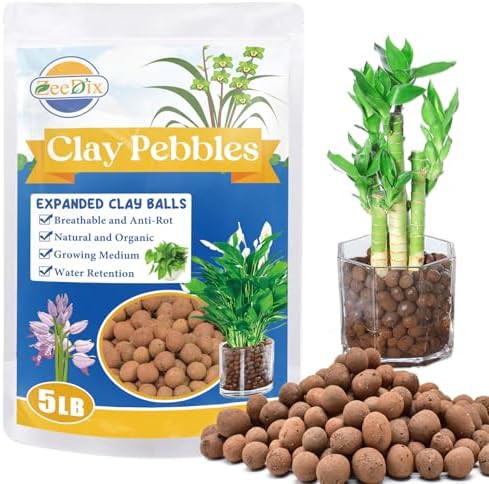
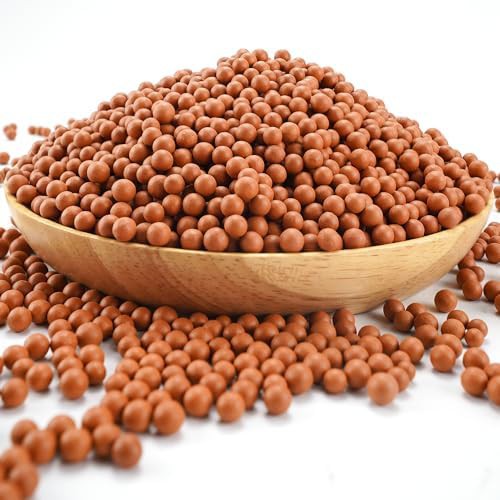
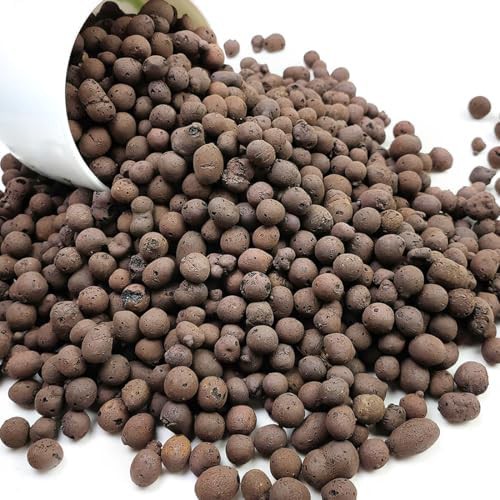
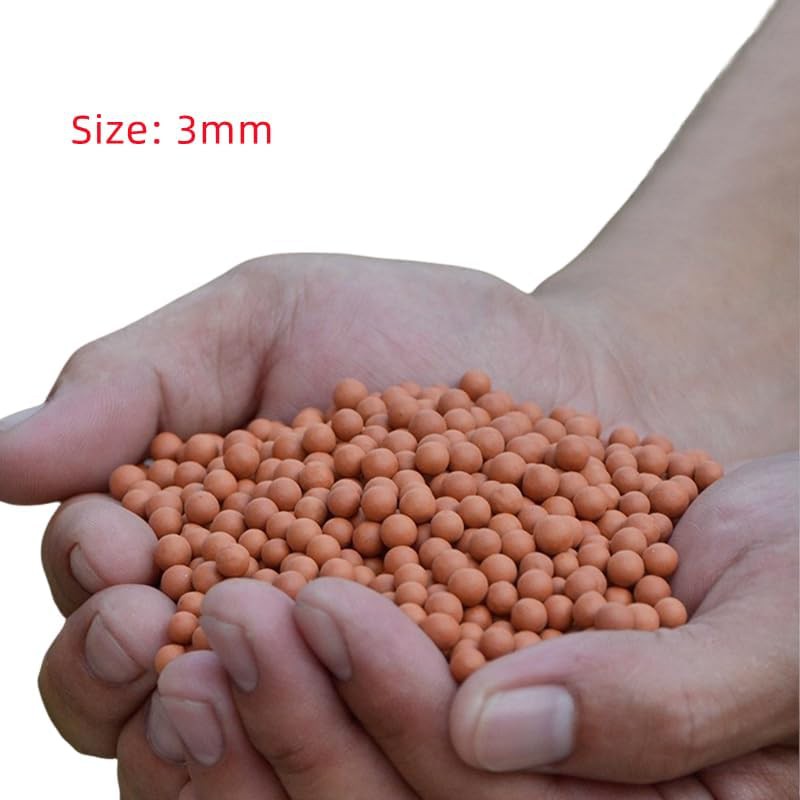
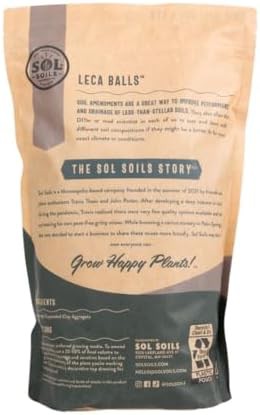
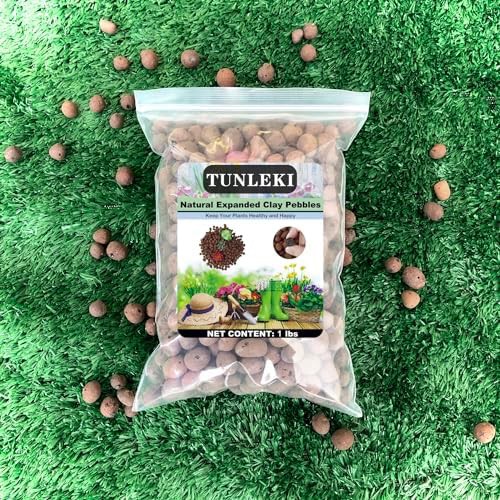
Natural clay pebbles five pound bag
$16.65
Systems for fresh herbs Kits for beginners
 9.3
 9.3
 9.3
 9.3
 9.3
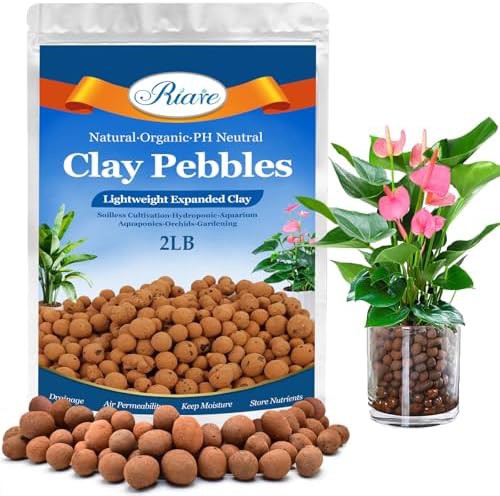
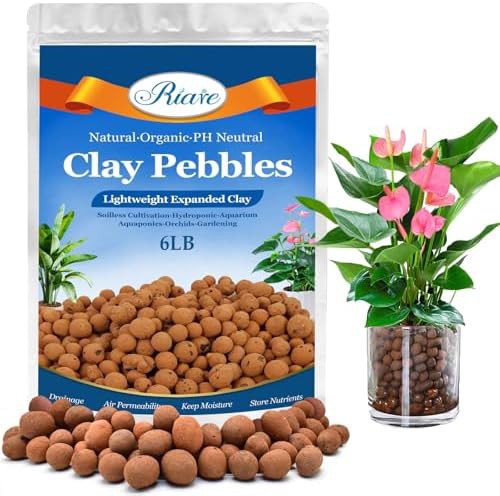
Riare
Six pound bag of organic clay pebbles
$17.99
Systems for flowers Hydroponic net pots and baskets
 9.3
 9.1
 9.1
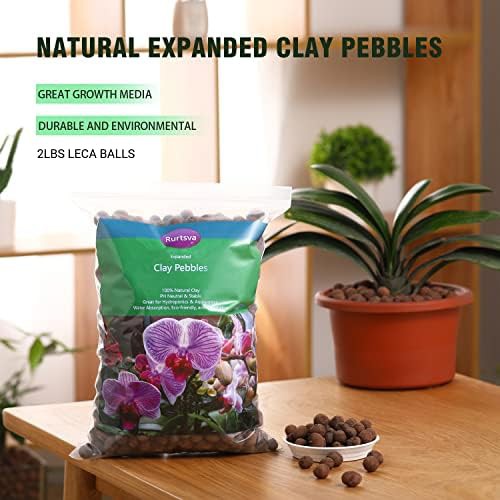
LingshouxianJiechengkuangchanpinjiagongchang Lingshouxian chunyan Kuangchanpin Jia
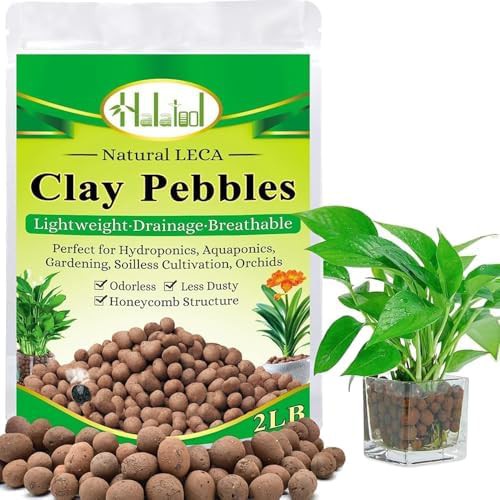
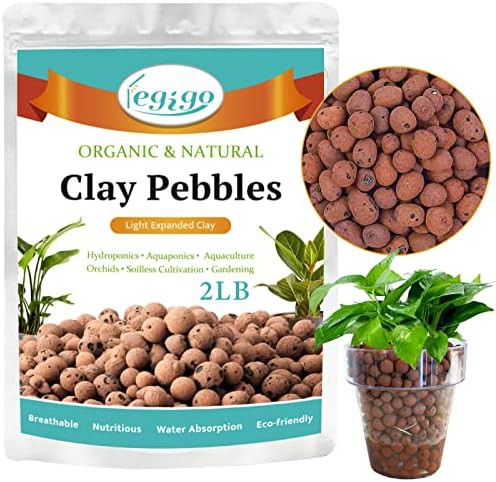
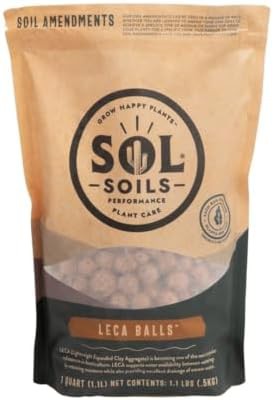
Natural clay pebbles two pound bag
$9.59
Systems for fresh herbs Affordable Kits for beginners
 9.1
 9.1
 9.1
 9.0
 9.0
 8.9
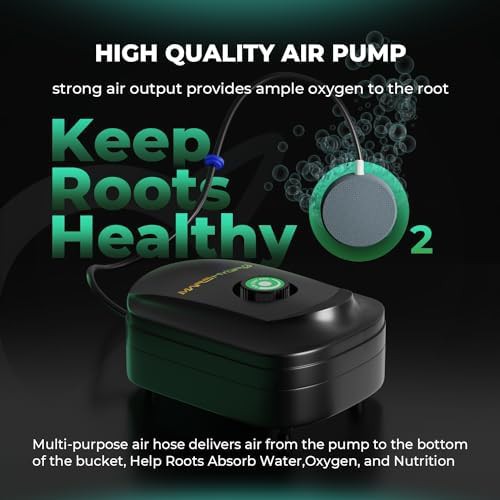
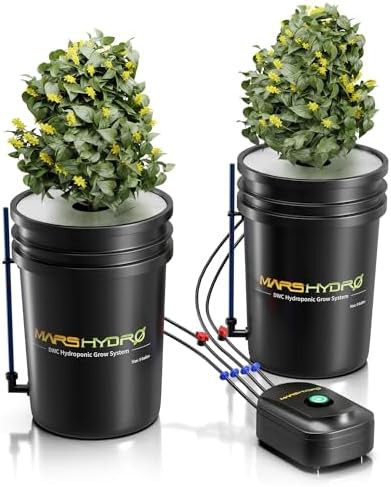
MARS HYDRO
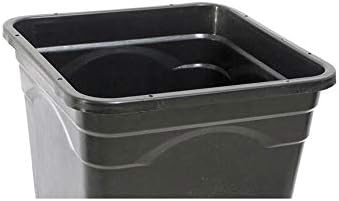
Dual bucket deep water culture system
$89.99
Water and air pumps Deep water culture systems
 8.9
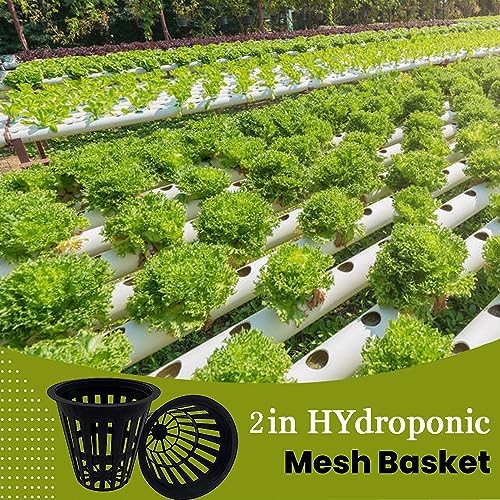
CHTASO
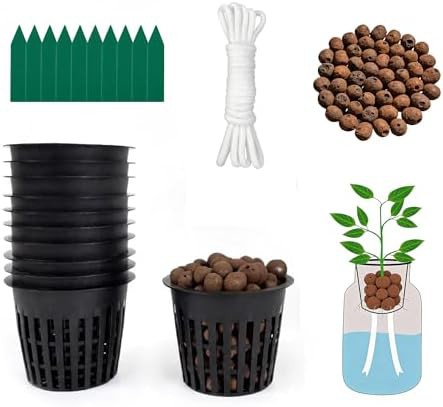
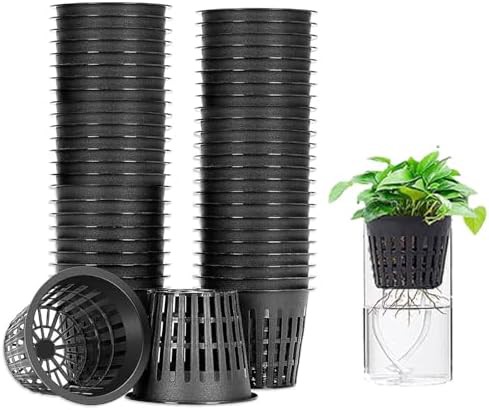
Two inch slotted mesh hydroponic cups
$16
Hydroponic net pots and baskets Rockwool grow cubes
 8.9
 8.9
 8.8
 8.8
 8.4
 8.4
 8.3
 7.8
 4.6
CHTASO
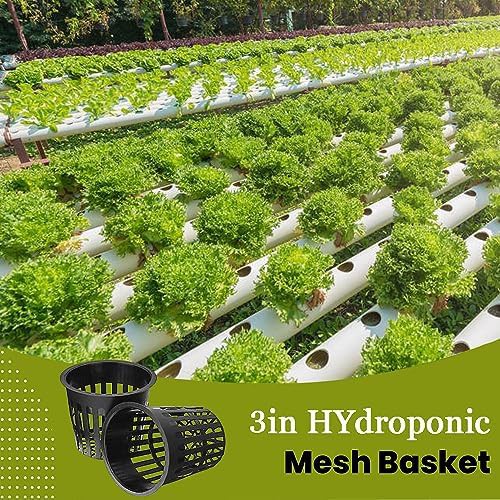
Three inch heavy duty mesh net pots
$14.99
Affordable Hydroponic net pots and baskets Rockwool grow cubes
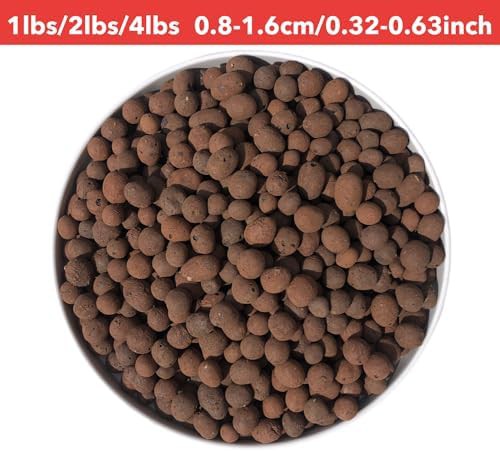
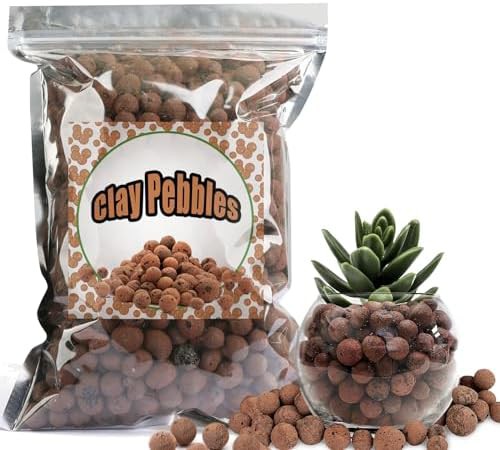
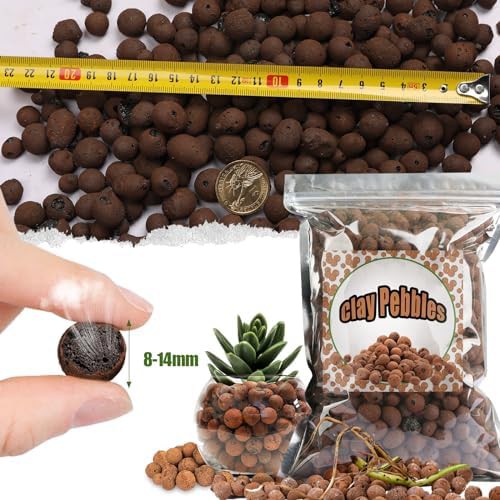
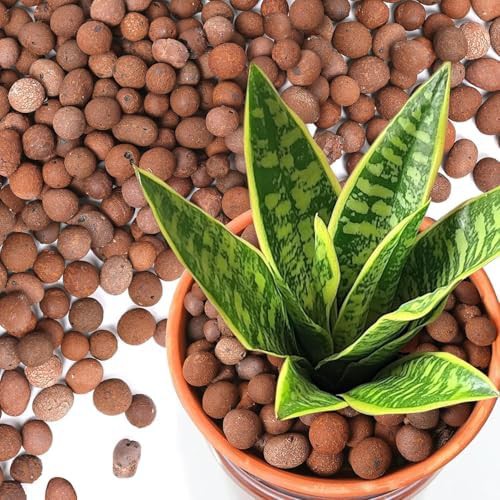
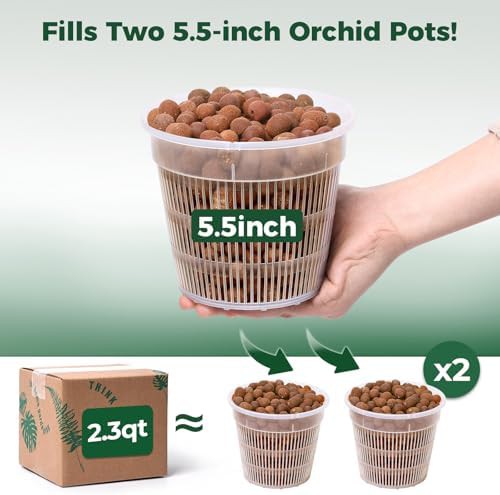
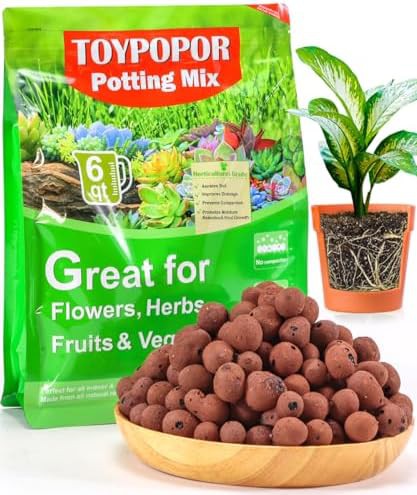
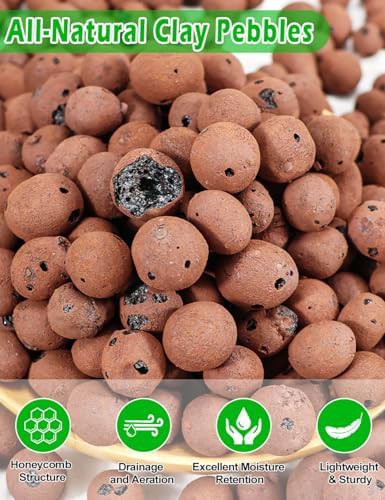
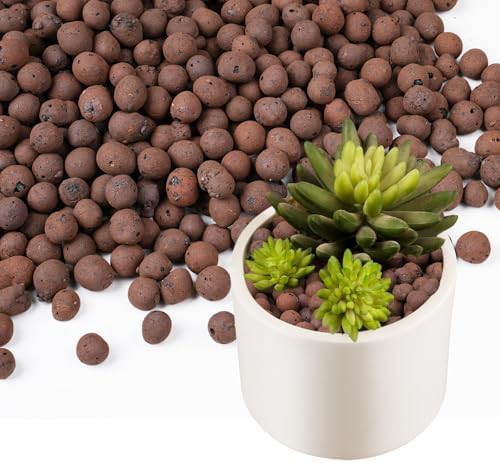
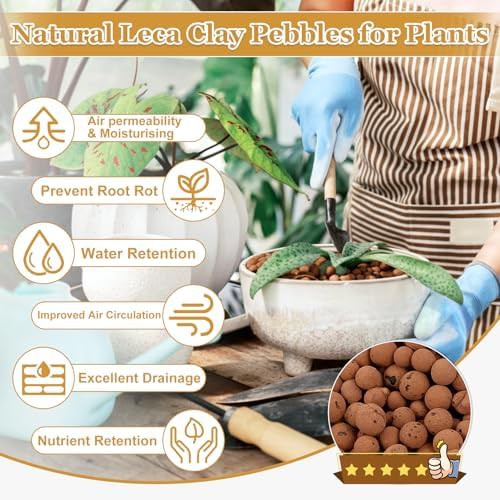
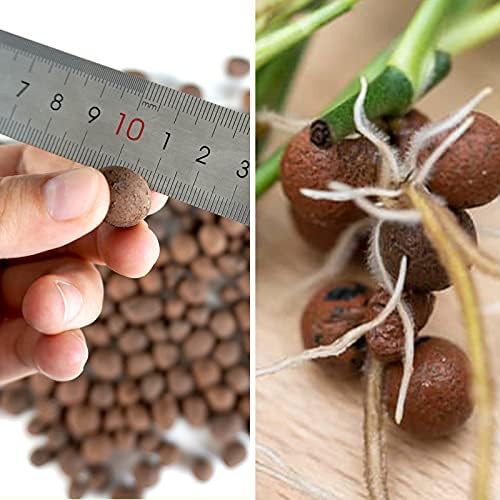
Porous media for root aeration
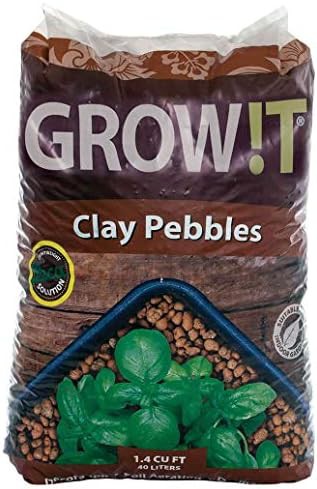
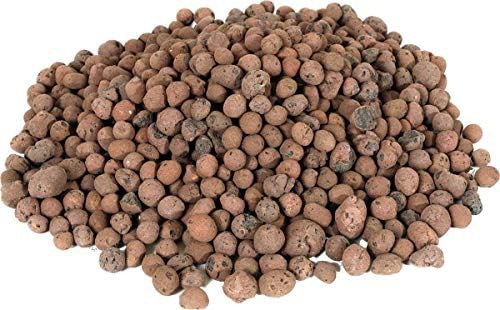
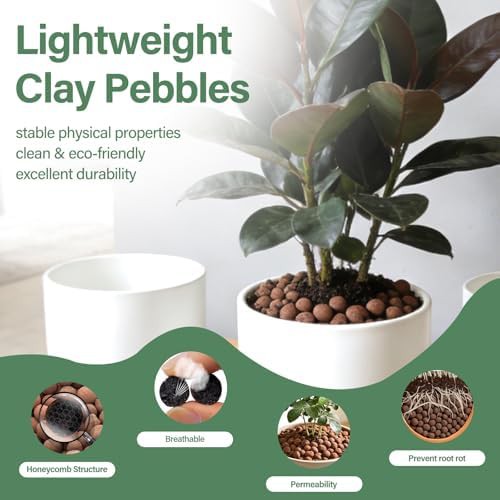
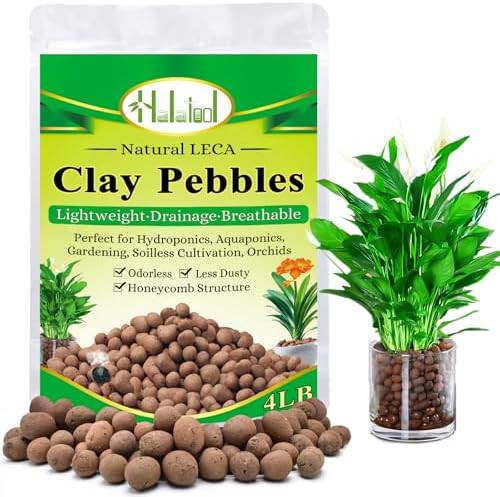
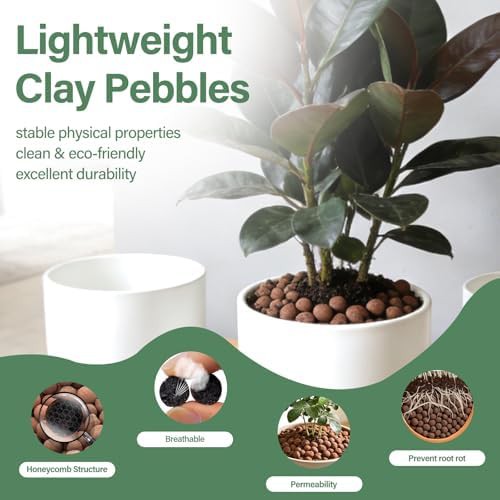
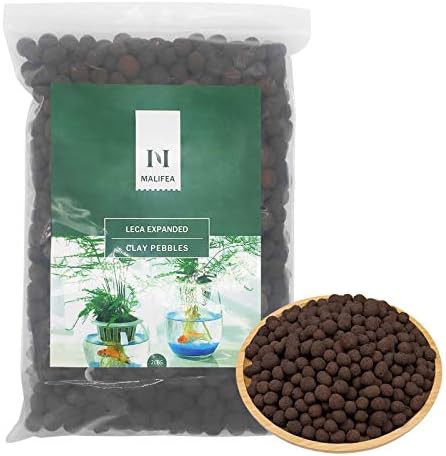
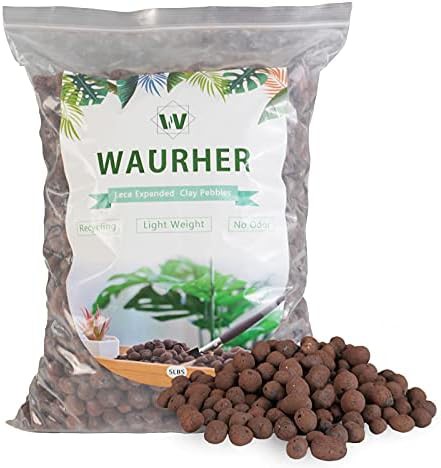
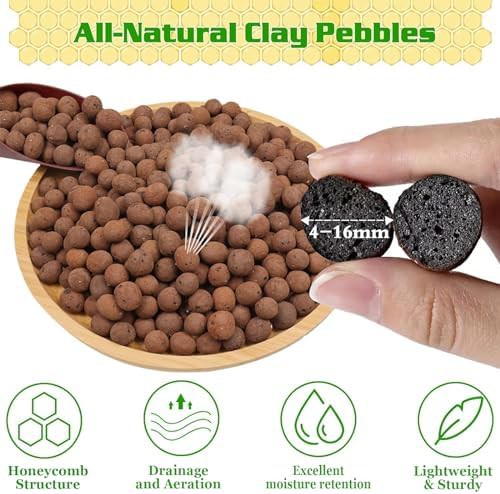
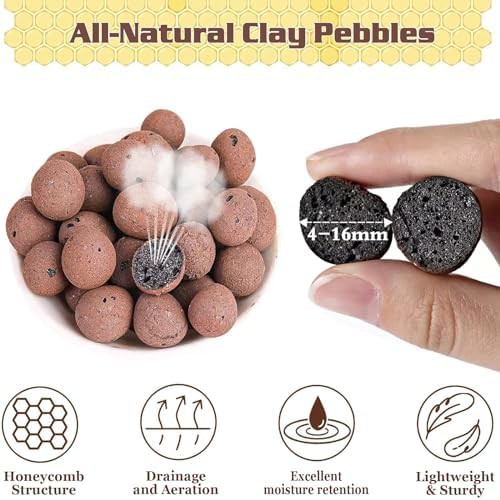
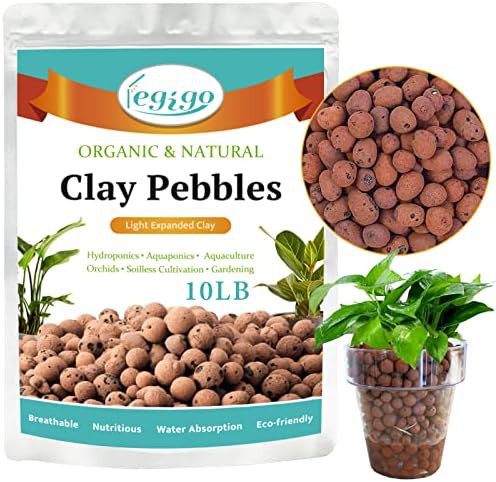
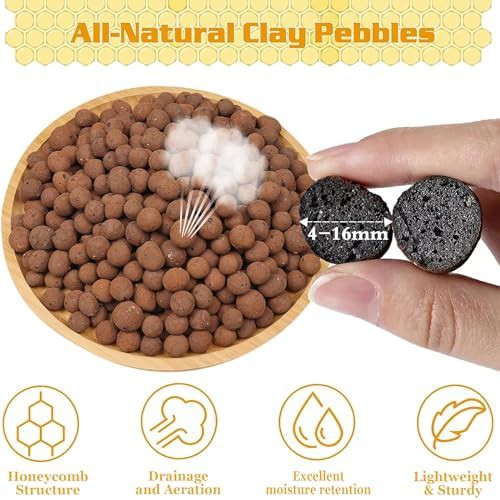
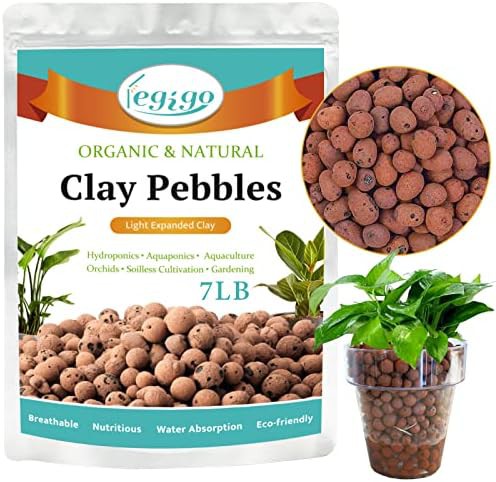
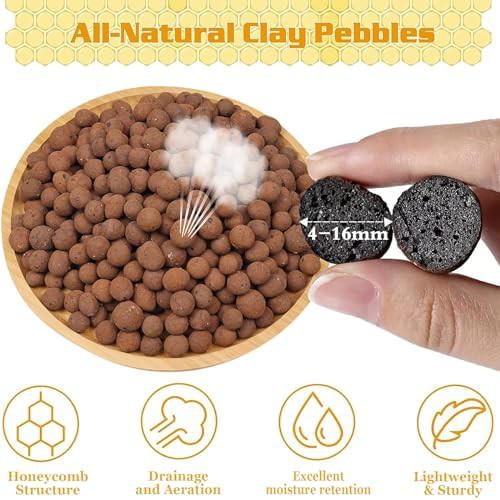
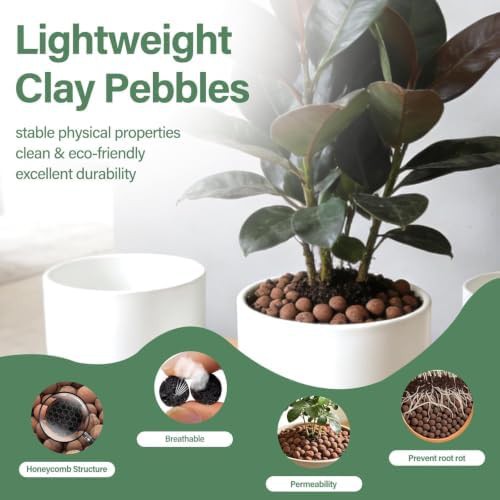
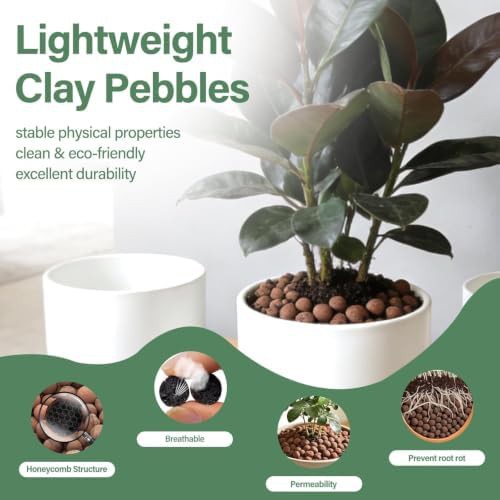
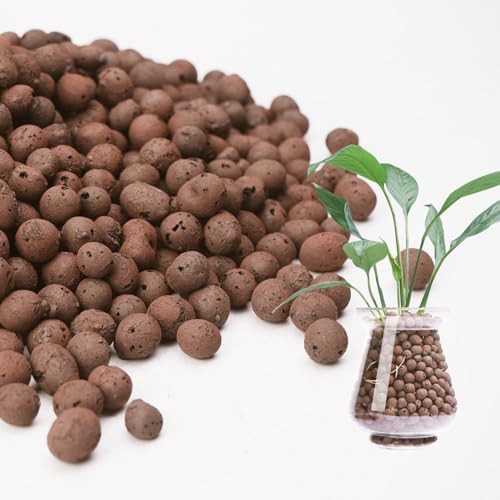
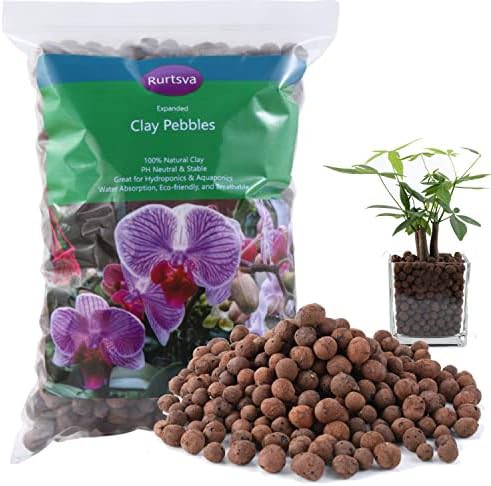
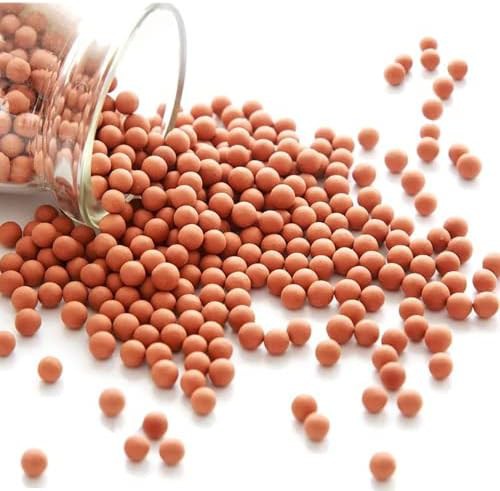
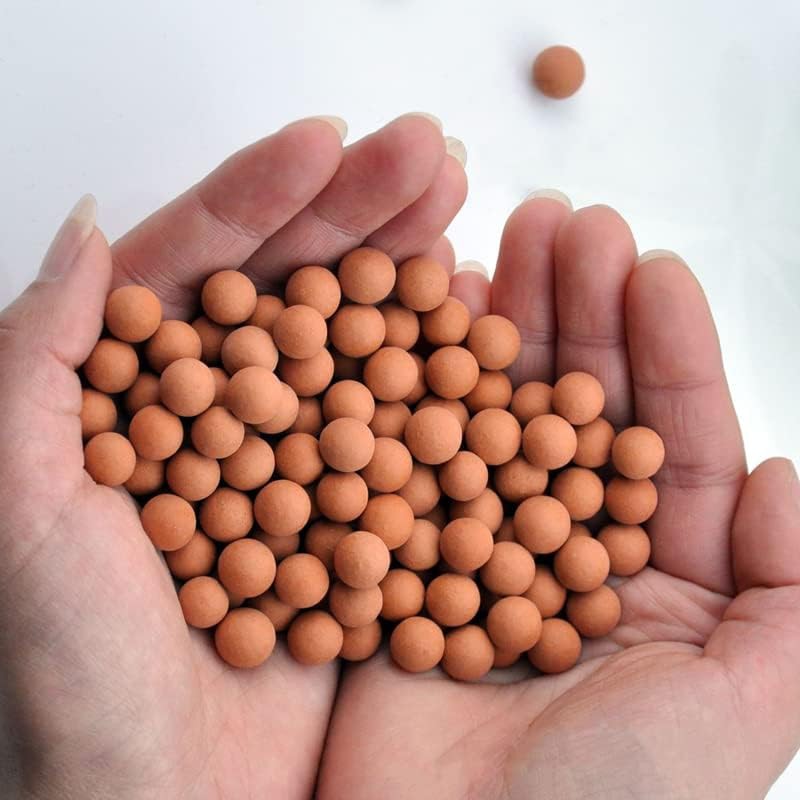
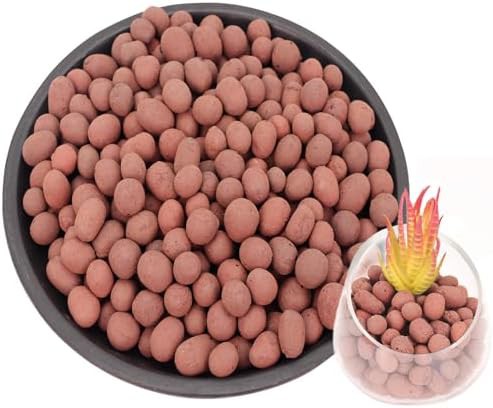
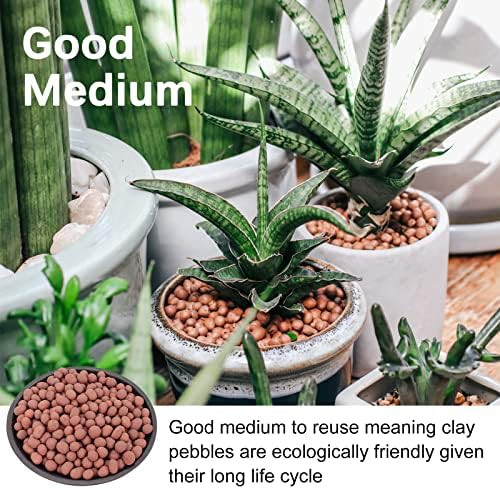
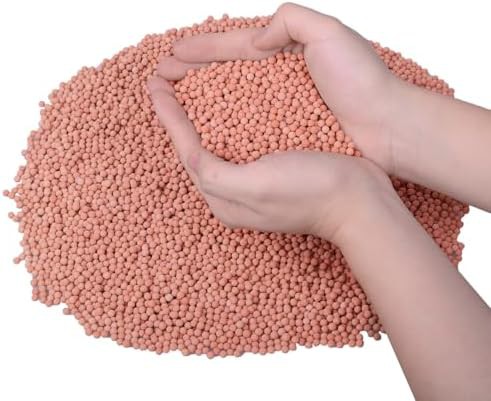
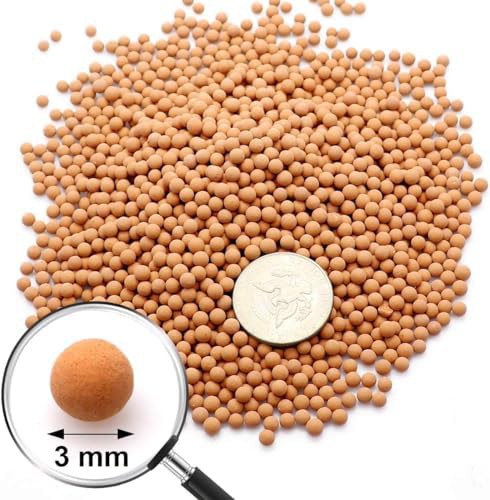
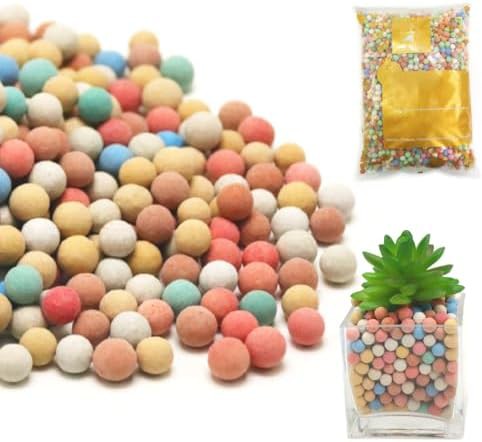
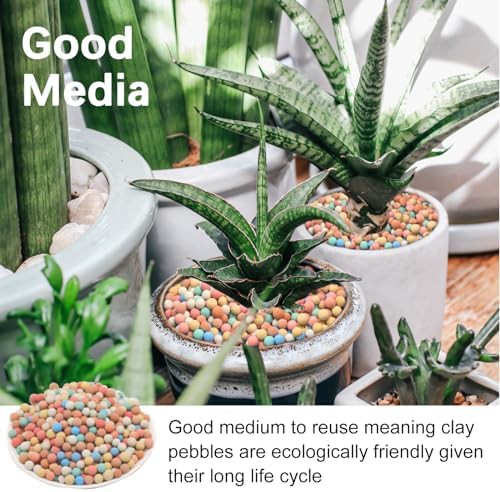
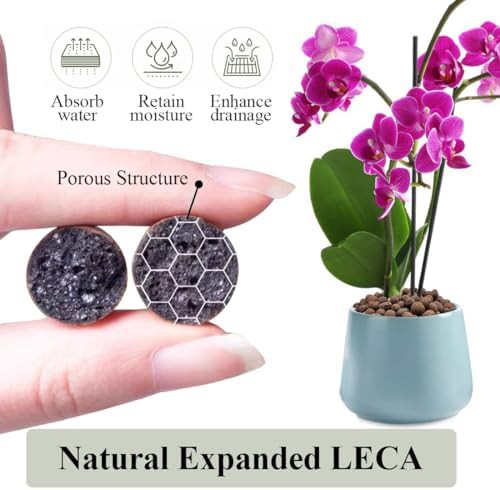
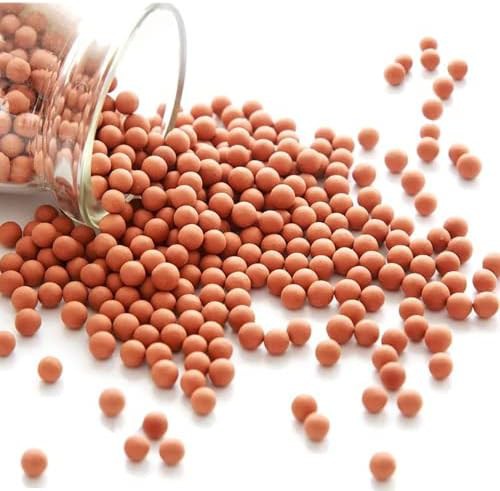
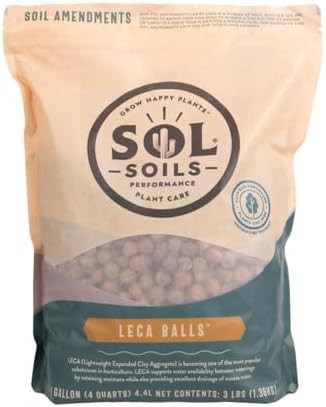
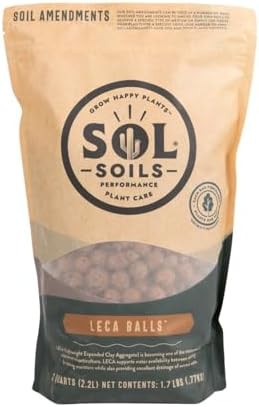
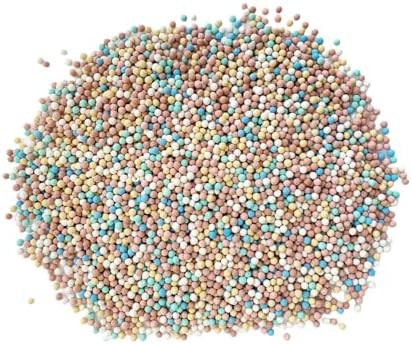
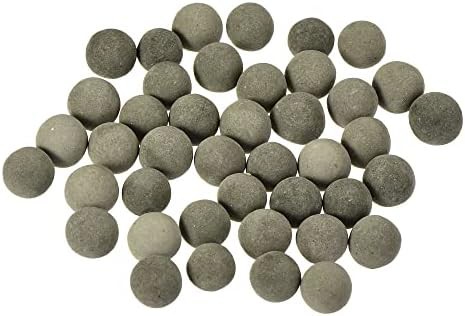
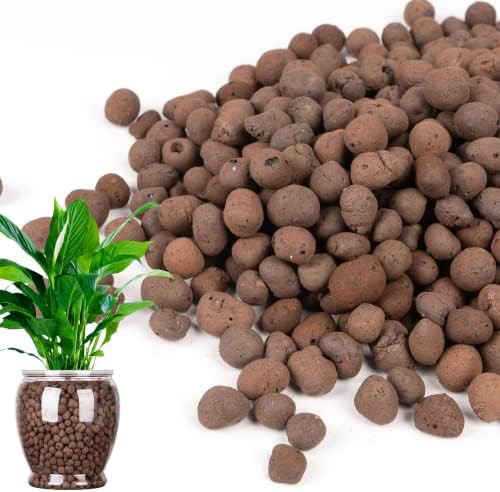
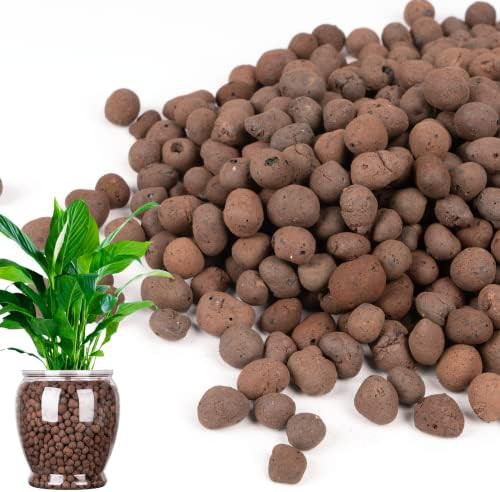
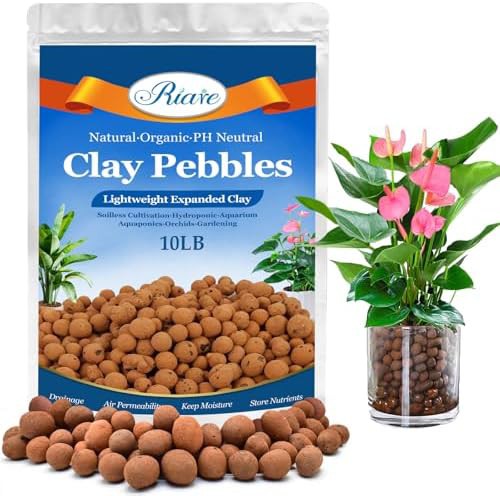
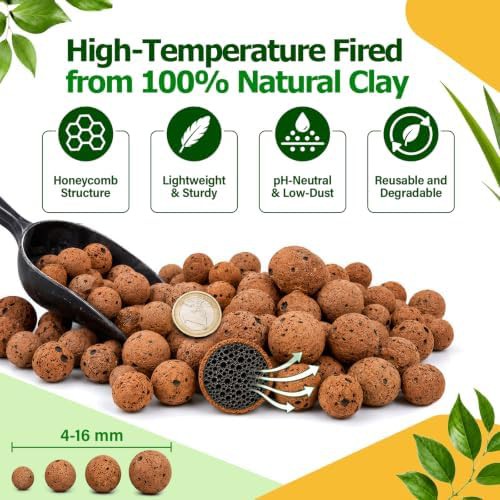
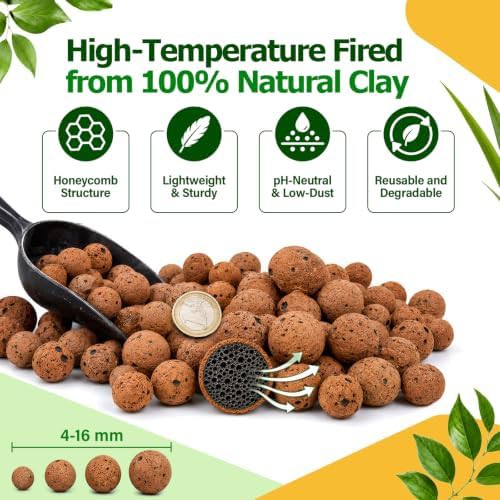
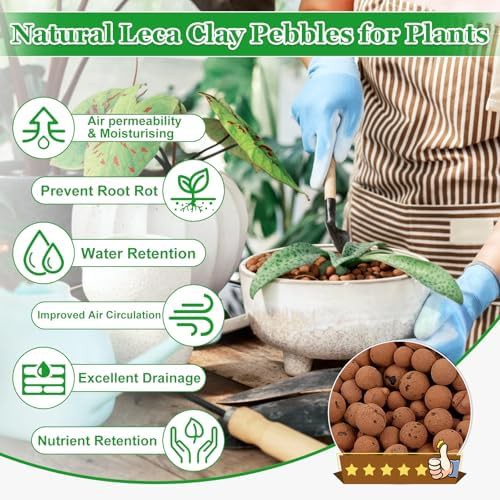
These clay pebbles, often called Leca, provide a pH-neutral foundation for hydroponic plants. They work by holding moisture while leaving gaps for oxygen to reach the roots. This prevents rot in deep water culture (DWC) and recirculating systems.
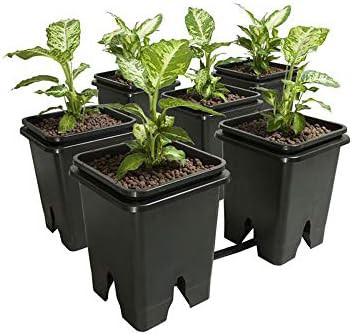
The pebbles are reusable after a thorough cleaning and sterilization. This set includes options for both standalone media and complete bucket kits that use pebbles as the primary support for heavy plants like tomatoes or peppers.
Sizing and quantity options
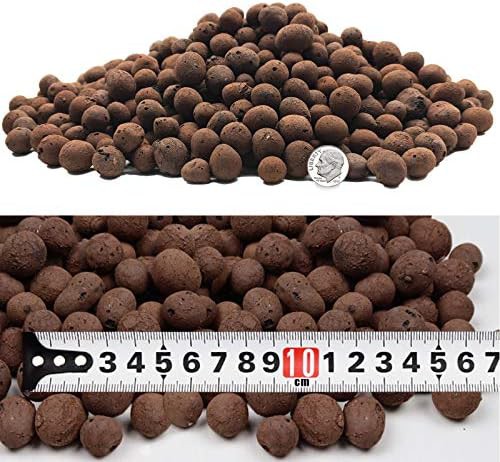
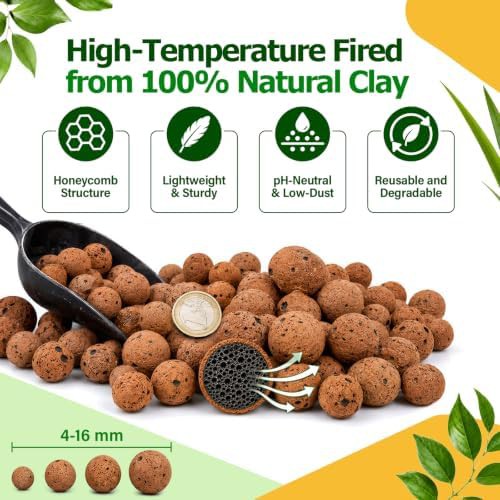
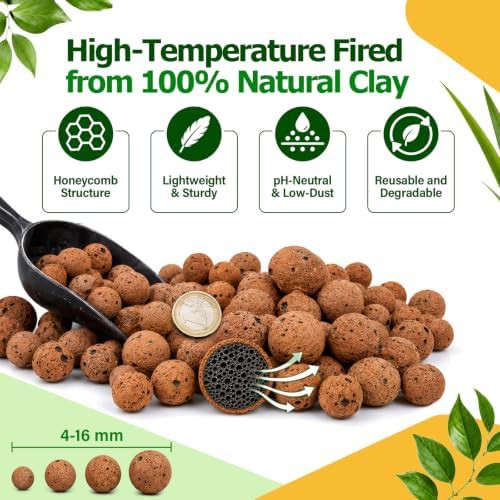
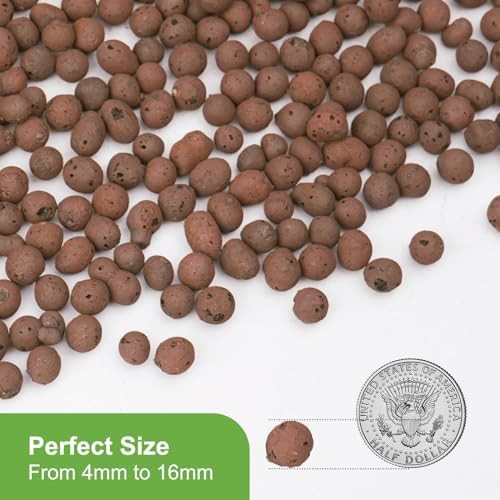
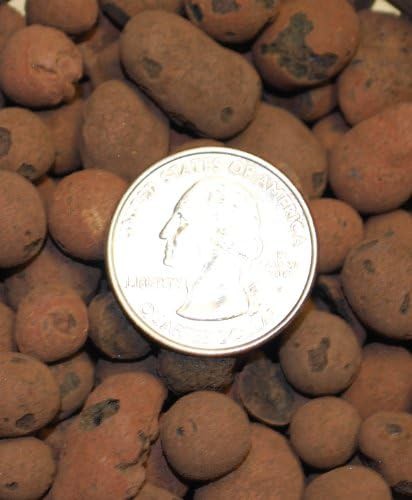
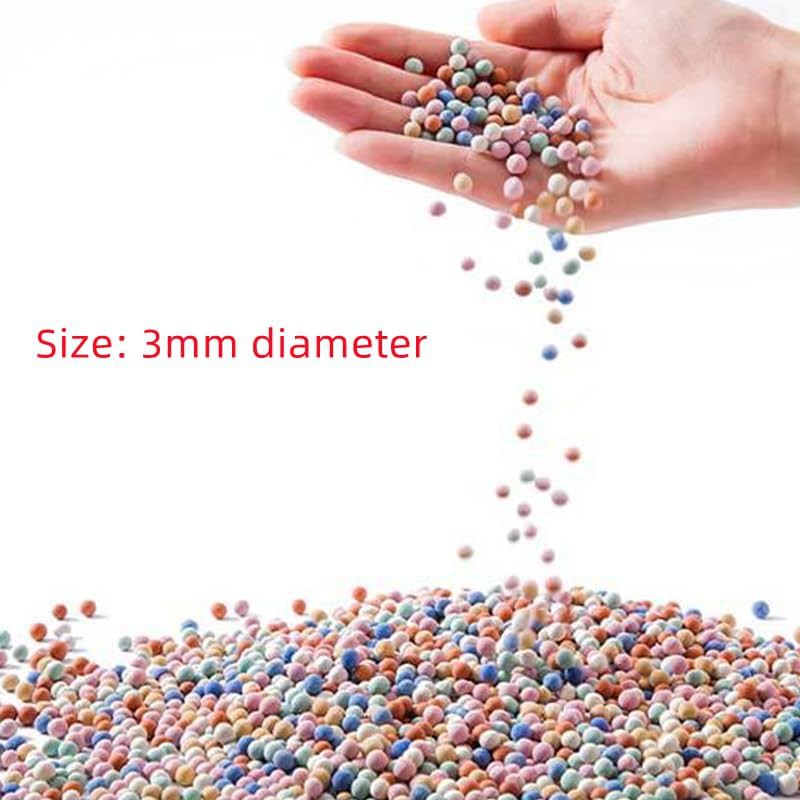
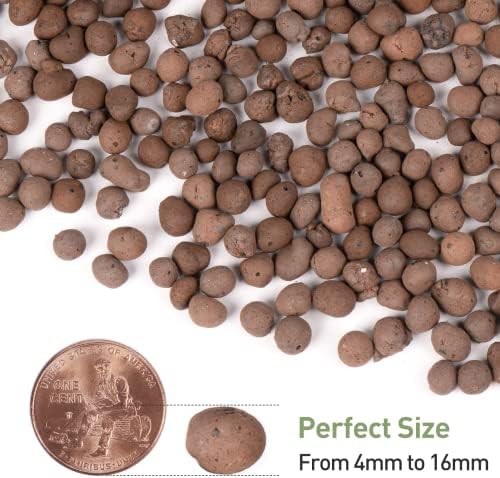
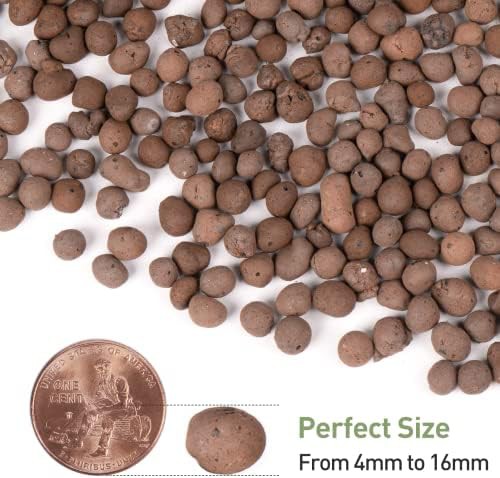
This catalog includes various bag sizes and pebble diameters to suit different setups. Smaller pebbles fill gaps in net pots, while larger ones allow for better drainage in tall towers.
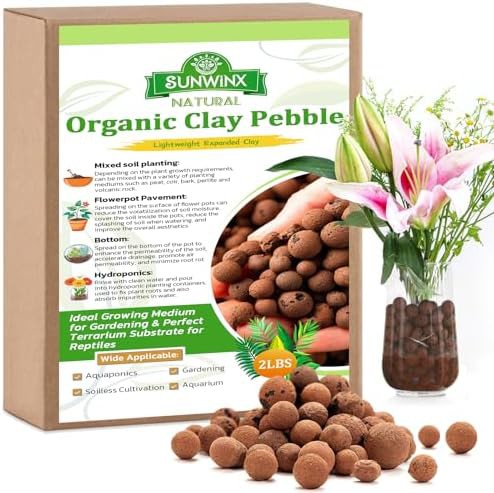
- 2LB bags for small countertop gardens
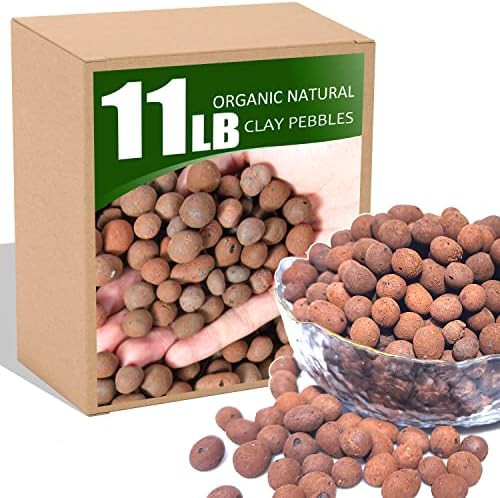
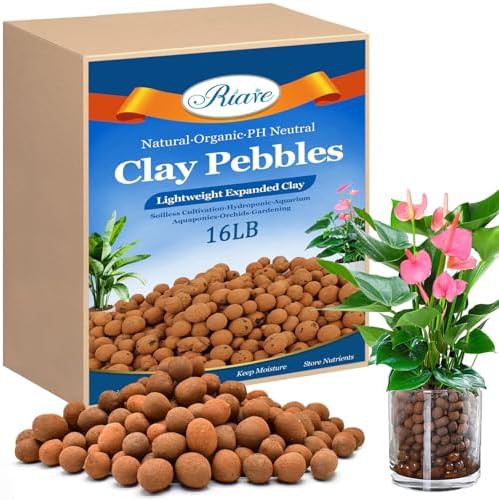
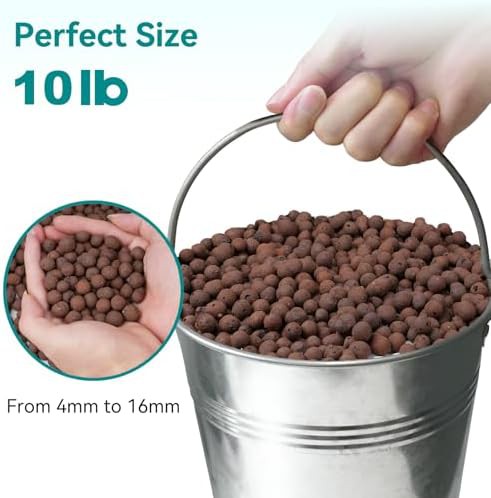
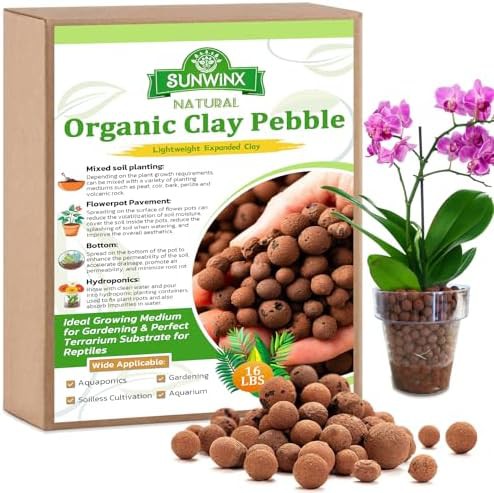
- 16LB bulk bags for large grow rooms
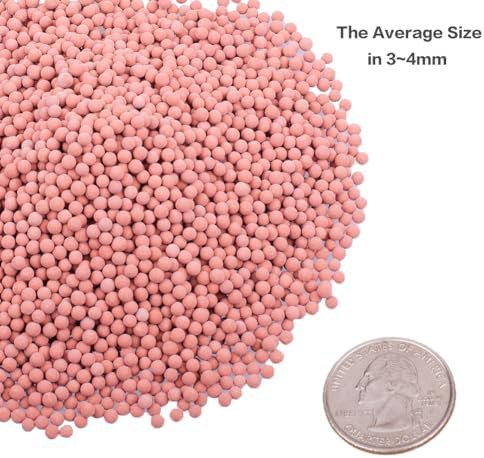
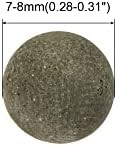
- 4-16mm diameter mixed sizes
- Pre-packaged sets with DWC buckets and air pumps
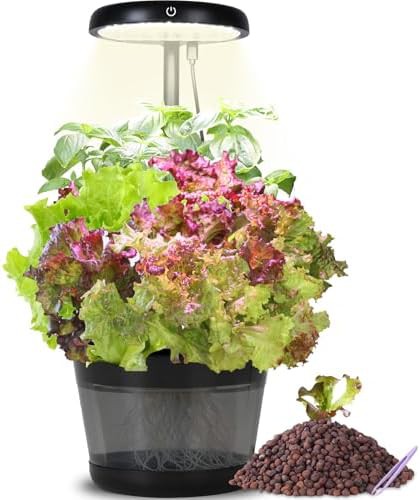
- Translucent countertop systems with 20W LED lights
Maintenance and usage tips
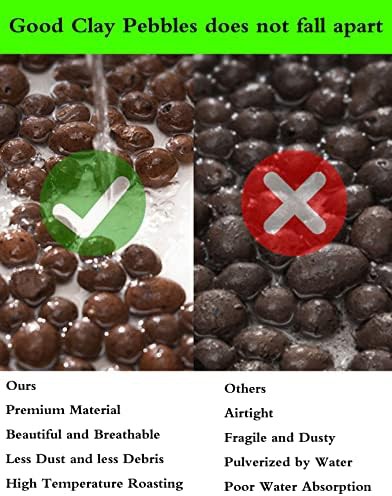
Before adding these to your system, rinse the pebbles in a bucket to remove fine dust. This prevents sediment from settling in your reservoir or clogging your water pump. You can use these in net pots for 5 Gallon buckets or as a drainage layer in decorative planters.
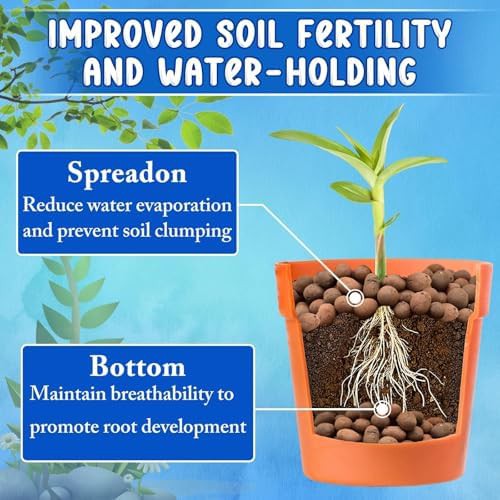
Q: Do I need to wash these before use? A: Yes, rinse them to remove clay dust that can clog pumps. Q: Can I use them with soil? A: You can place them at the bottom of pots for drainage or mix them in to aerate heavy soil. Q: How long do they last? A: They do not decompose, so they last indefinitely with proper care. Q: Are they organic? A: Most listings here are made from natural clay fired in kilns.